Compact, high-mobility hydro excavation system engineered in Western Australia for non-destructive digging, potholing, and utility locating.
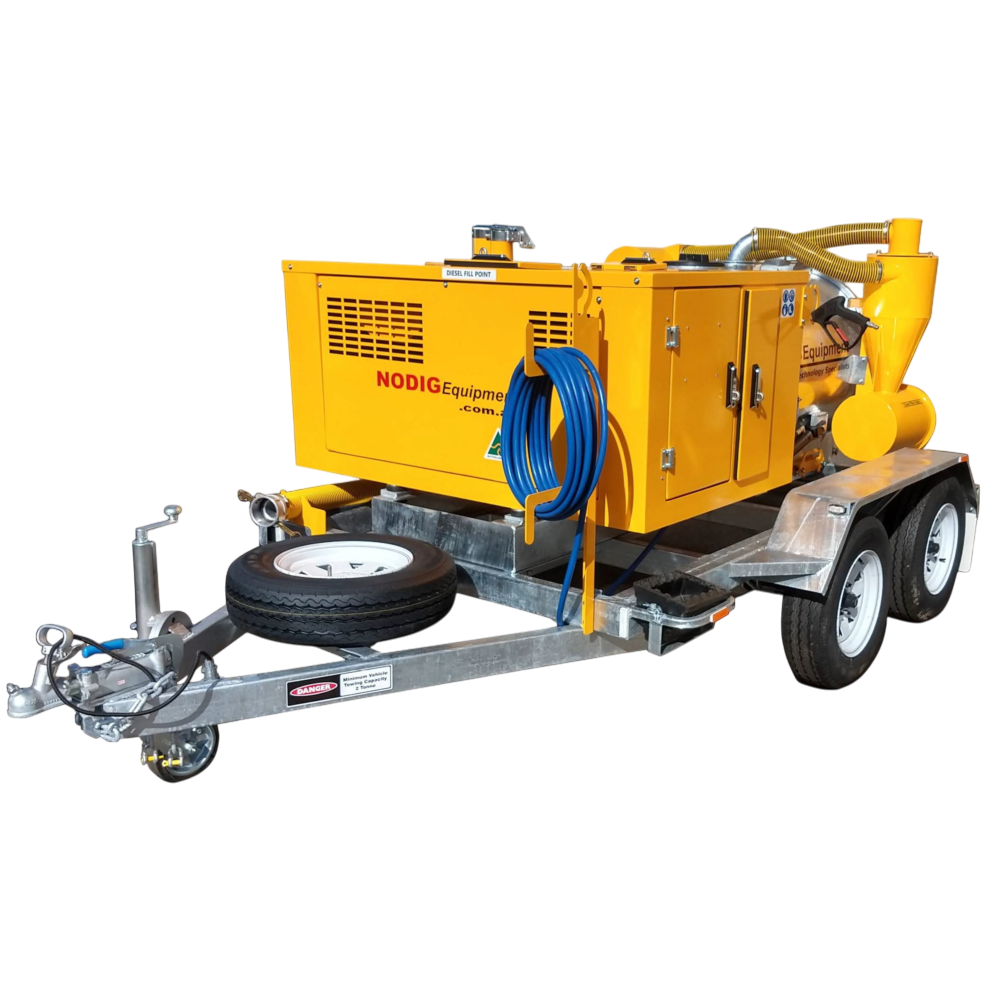
The VM400 Trailer Vacuum Excavator combines maximum suction power in a compact 2-tonne towable package. The VM400 diesel vac comes with the following features:
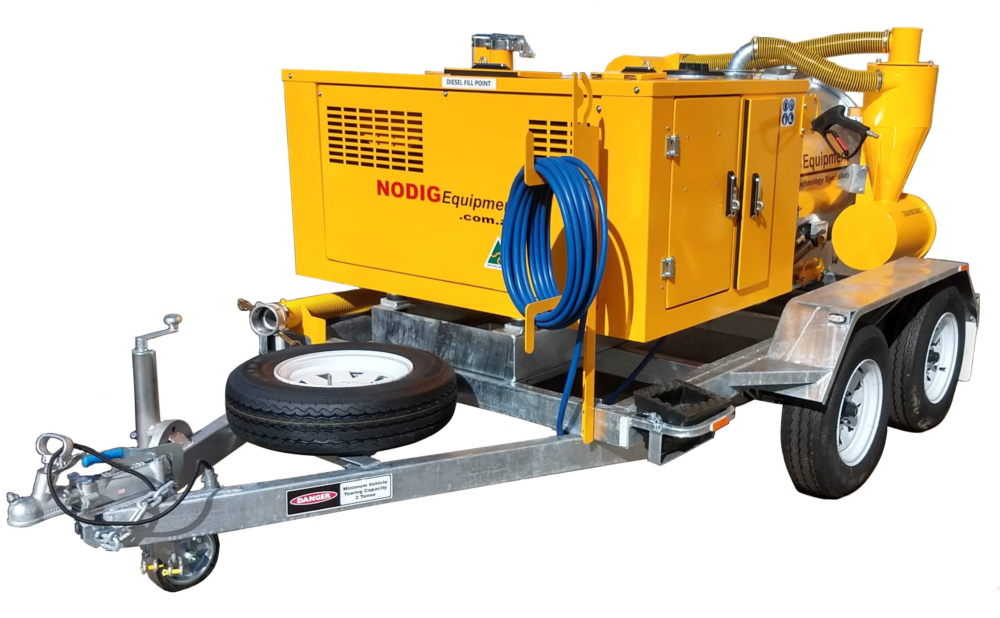
| Key Technical Feature | VM400 Diesel Model (Mine Spec Ready) |
|---|---|
| Engine Power | 34.9 HP Kohler KDW1404 Diesel |
| Vacuum Blower Output | 550 CFM (318 mmHg / 15” Hg) |
| High-Pressure Hydro Water System | 3,500 PSI @ 15 L/min Triplex Pump |
| Spoil & Clean Water Tank | 400L Galvanised Spoil / 200L Water |
| Mounting Configurations | 2T Skeleton Trailer / Skid / Truck |
The VM400 Vacuum Excavator is designed for a wide range of civil, utility, and infrastructure application in tight locations.
Expose buried gas, water, electric, and fiber optic lines safely.
Clean out sums and drainage pit in confined spaces, underground car parks, milling / cruching equipment
Footing and post hole digging in courtyards and residential side yards
Pit cleaning, duct rodding/roping, and fiber installation support
A vacuum excavator, also known as a hydrovac or hydro excavation system, is a non-destructive digging machine used to safely expose underground utilities without damaging buried infrastructure.
Compared to traditional excavation methods, vacuum excavation significantly reduces the risk of utility strikes, repair costs, and project downtime.
The VM400 uses:
Commonly used for:
The VM400 delivers the performance of a larger hydrovac system in a compact and highly mobile design.
Vacuum excavation is widely recognised as one of the safest methods for exposing underground utilities.
Traditional excavation equipment can damage buried infrastructure if service plans are inaccurate or outdated.
The VM400 hydro excavation system reduces the risk of:
This makes vacuum excavation ideal for sensitive excavation environments and live utility maintenance projects.
We supply vacuum excavation equipment across Australia for:
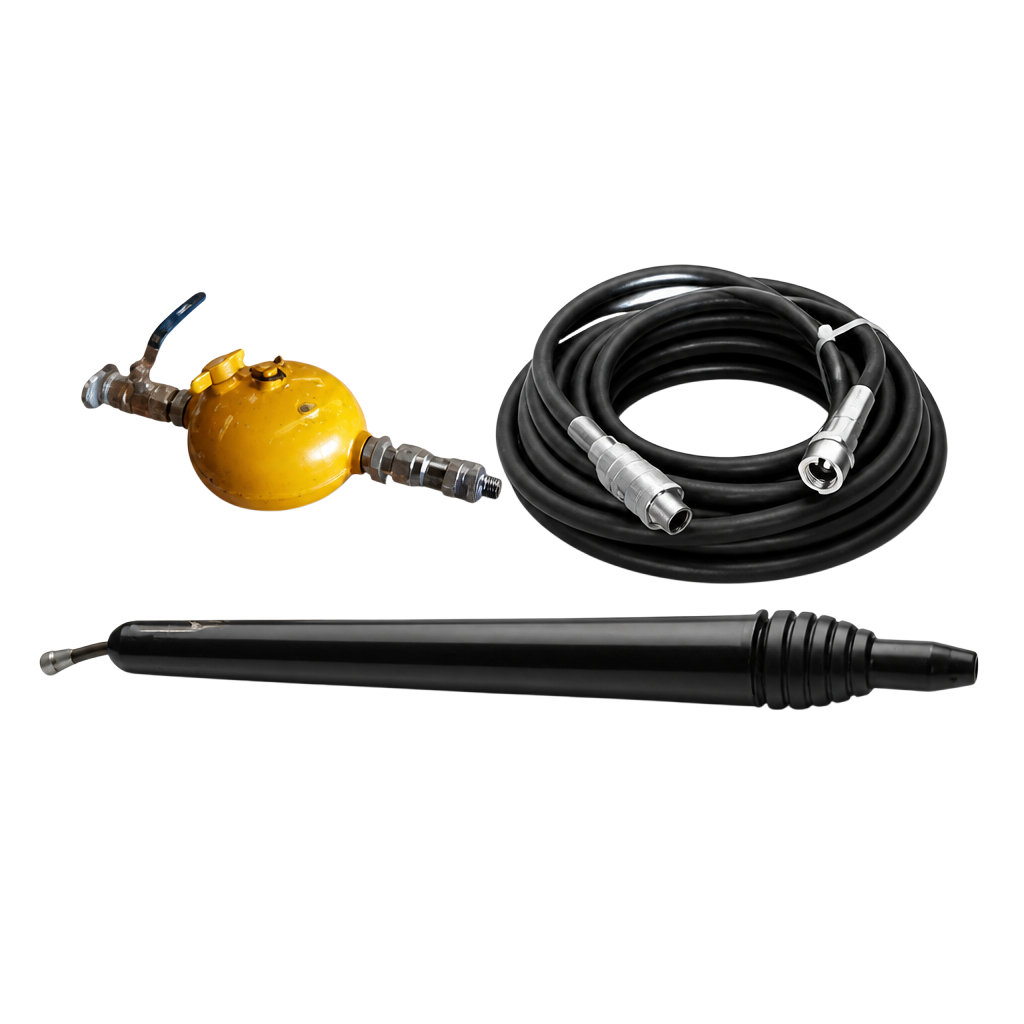
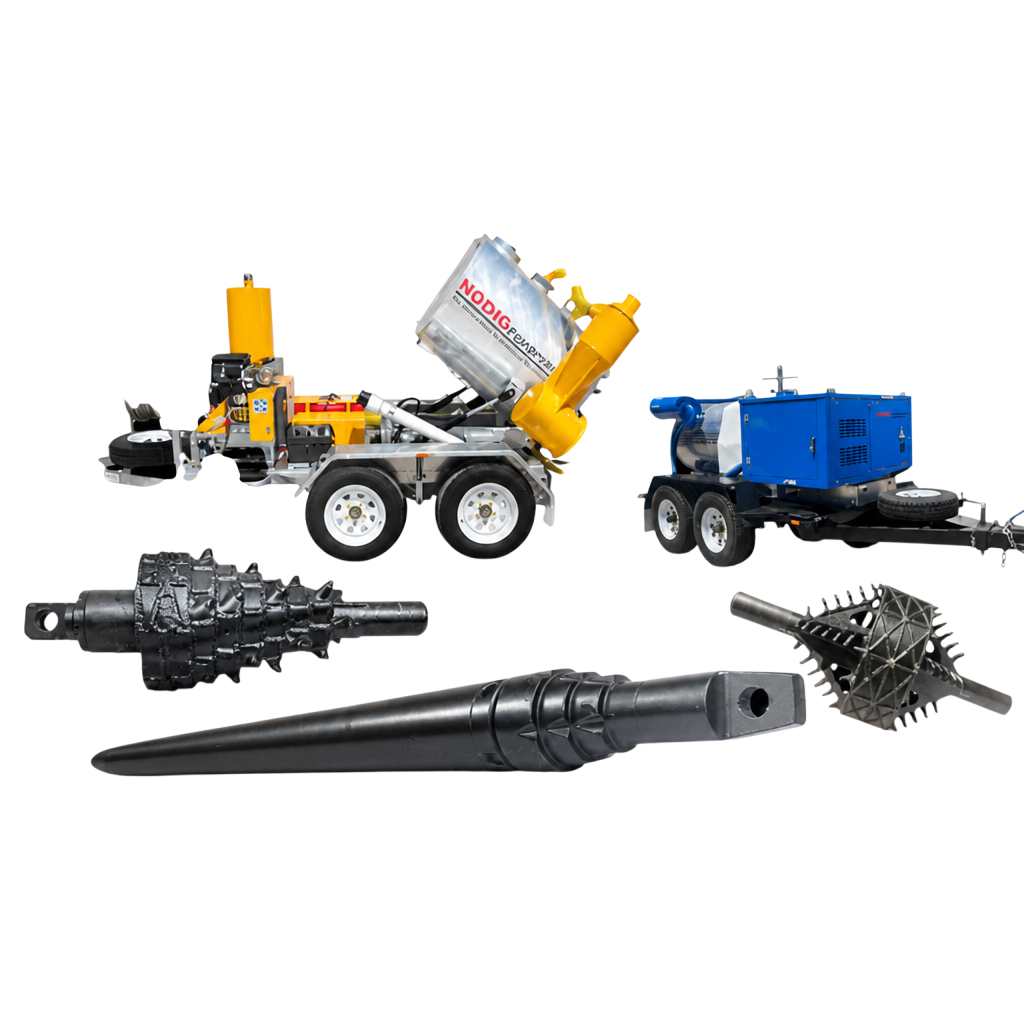
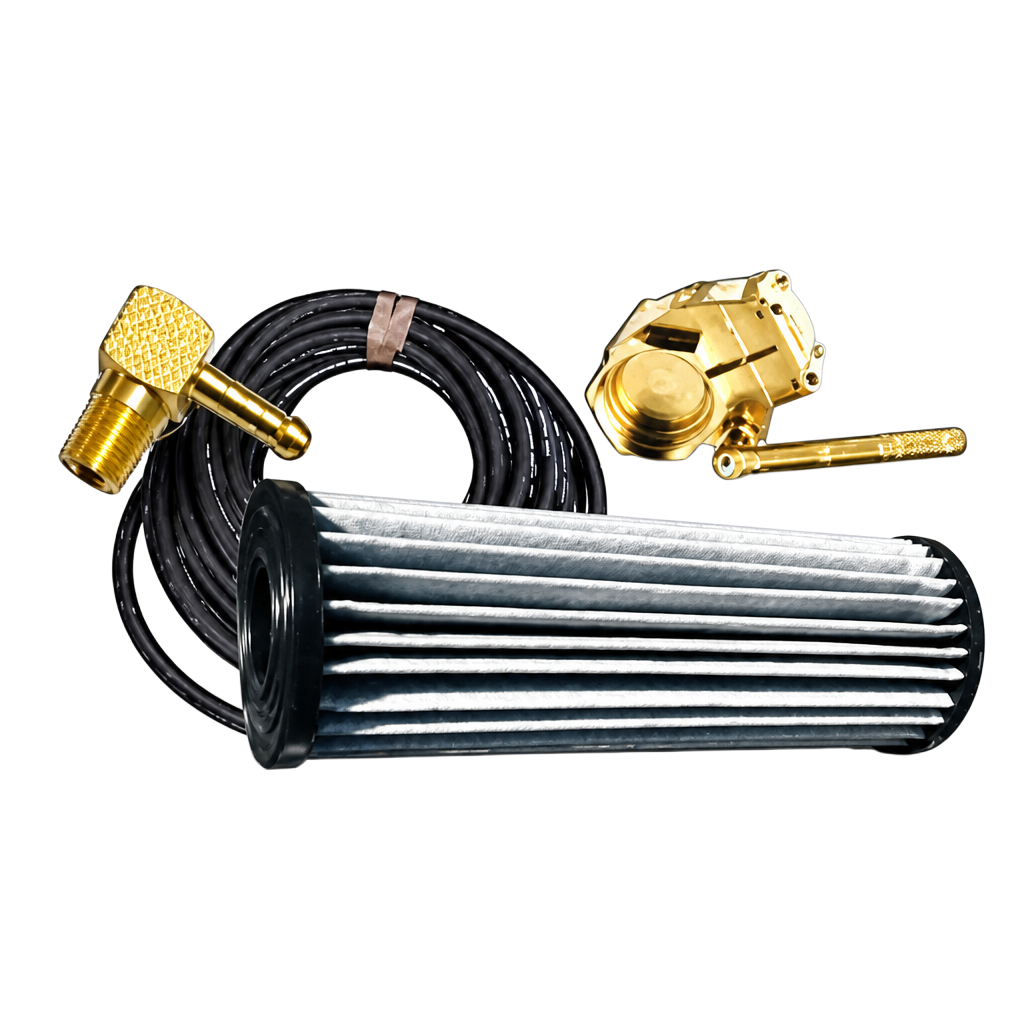
Customise your VM400 Vacuum Excavator with a range of optional accessories and upgrades.
The VM400 incorporates an advanced three-stage filtration system designed to maximise vacuum efficiency while reducing filter maintenance.
The filtration system includes:
This highly efficient filtration process minimises airborne dust and reduces the frequency of filter cleaning during excavation operations.
The VM400 uses a high-performance positive displacement tri-lobe vacuum blower delivering 550 CFM of continuous airflow.
Benefits include:
The powerful vacuum system is ideal for:
The VM400 incorporates a fully galvanised 400-litre spoil tank with hydraulic tipping functionality for fast and efficient spoil disposal.
The hydraulic tipping system enables quick dumping and reduced downtime on site.
The VM400’s small footprint allows arange of mounting options from trailer to truck in a complete package.
Towable by most utes and ideal for mobile excavation contractors.
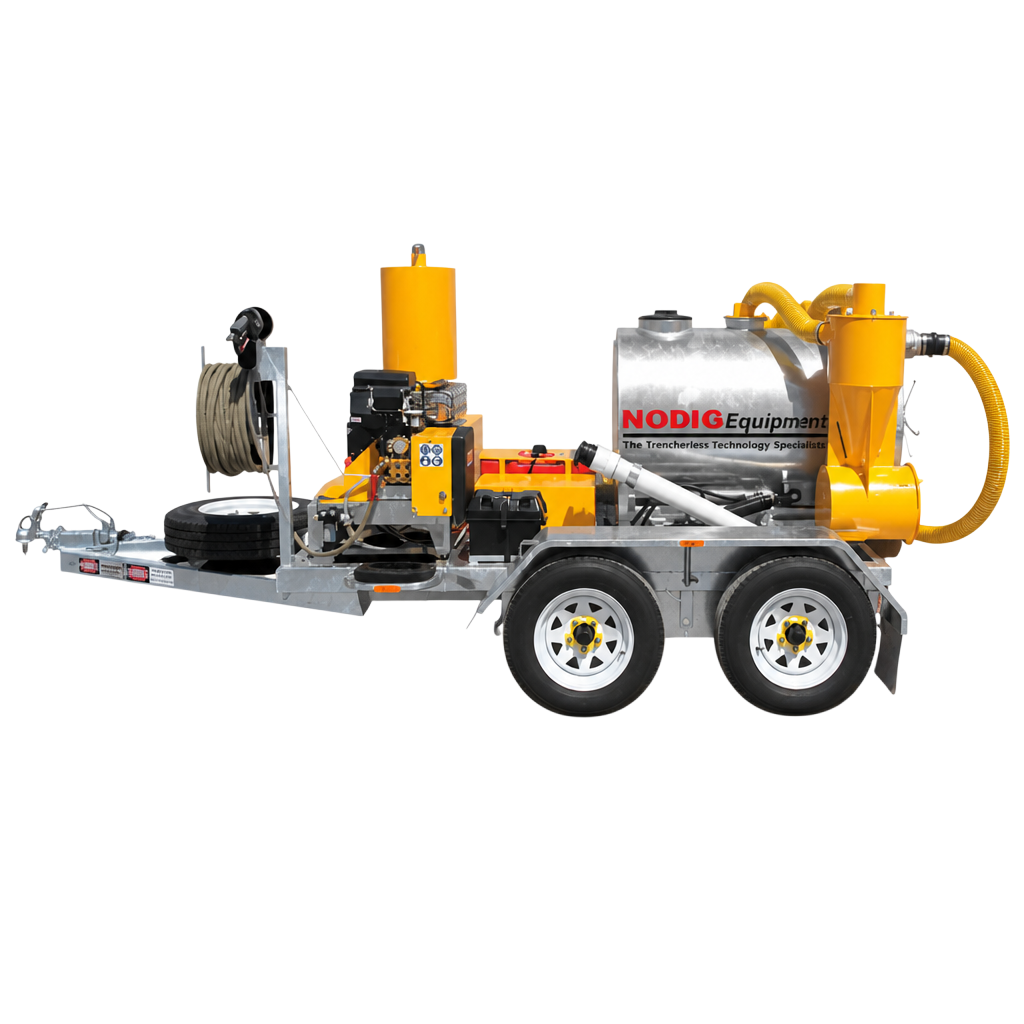
Perfect for custom service vehicles, and integrated fleet solutions.
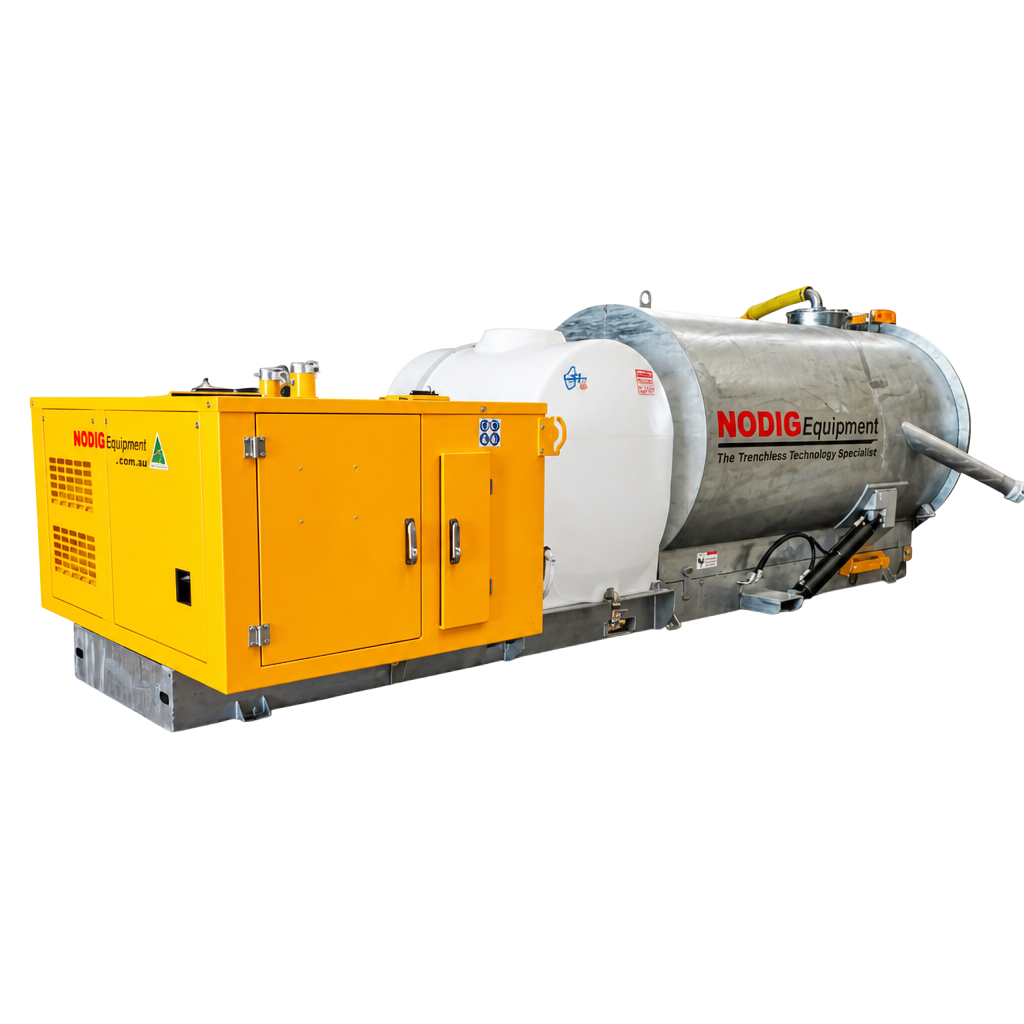
Customise your VM400 Vacuum Excavator with a range of optional accessories and upgrades.
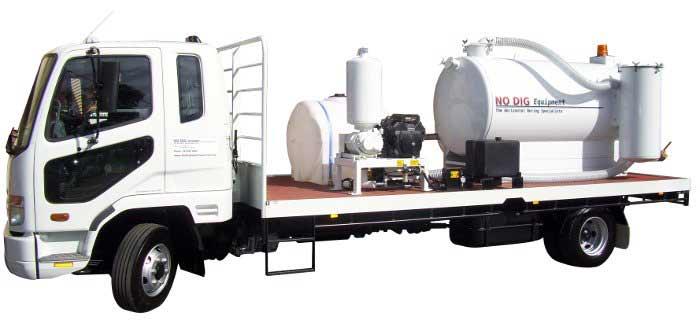
A vacuum excavator is used to safely expose underground utilities using high-pressure water and vacuum suction without damaging buried infrastructure.
Non-destructive digging is an excavation method that uses pressurised water and vacuum recovery instead of mechanical digging equipment to safely remove soil around underground services.
Hydro excavation uses water and vacuum technology to safely expose underground assets with less risk of damage, while traditional excavation relies on mechanical digging equipment.
Yes. The VM400 is specifically designed for utility locating, potholing, and underground service exposure applications.
Yes. The VM400 is available in trailer-mounted, truck-mounted, and skid-mounted configurations.
Looking for vacuum excavation equipment, vacuum trailer hire, hydro excavation systems, or complete no dig solutions?
Our experienced team can help you choose the right equipment for your project requirements.