
Choosing the right HDD reamer is an important part of any horizontal directional drilling (HDD) project. The type of ground you’re drilling through can have a major impact on drilling performance, productivity and the overall success of the installation.
Different reamers are designed to handle different soil types and ground conditions. Using the right tooling helps achieve efficient bore enlargement, maintain bore stability and prepare the hole for product pipe installation.
In this guide, we’ll look at the different types of HDD reamers, the ground conditions they’re suited to and what to consider when selecting the right tooling for your next project.
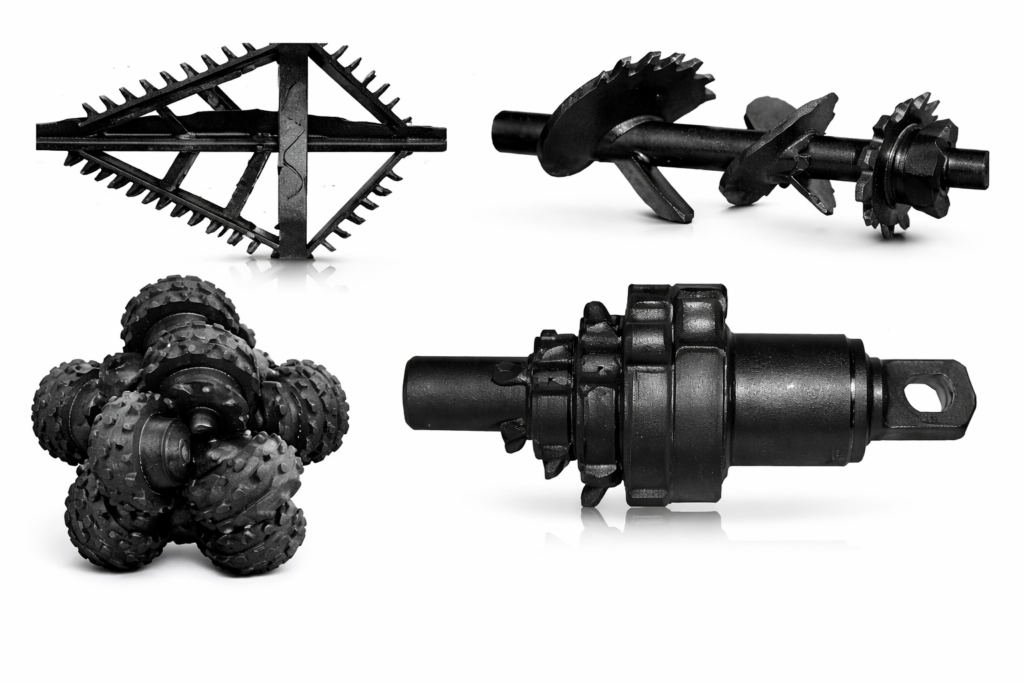
Ground conditions can vary significantly between drilling projects. You might be working through soft sand, clay, gravel, compacted soil or hard rock.
Each material presents different challenges during the reaming process. Some ground conditions require cutting and breaking action, while others benefit from scraping or compacting.
Selecting the correct HDD reamer helps ensure the tooling is suited to the material being removed and the requirements of the bore.
There are several types of horizontal directional drilling reamers available, each designed for different applications and ground conditions.
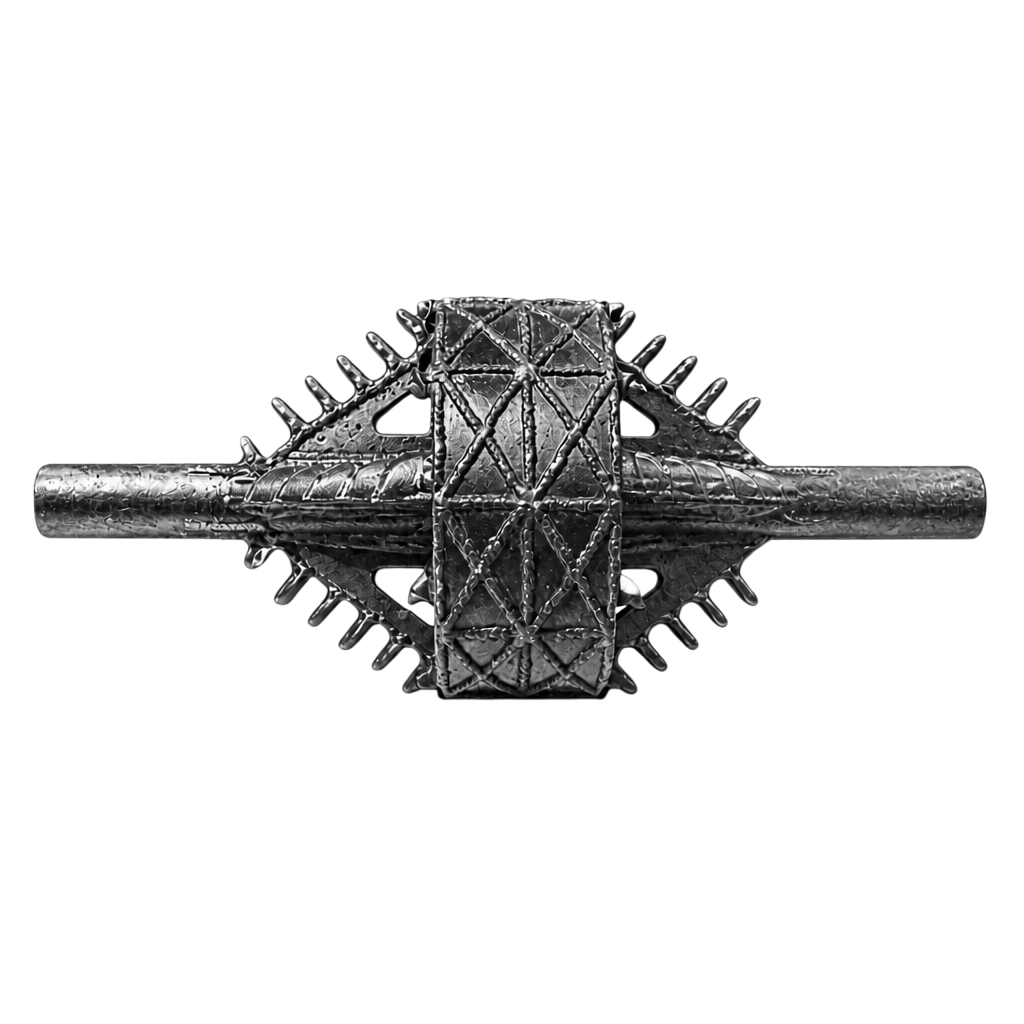
Ripper reamers are designed to break up and loosen ground during the reaming process. Their cutting edges help penetrate harder or more compacted materials.
They can be suitable for:
Compacted and hard soils
Mixed ground conditions
Dense clay and gravel formations
Ripper reamers are a useful option when ground conditions require additional cutting and breaking action.
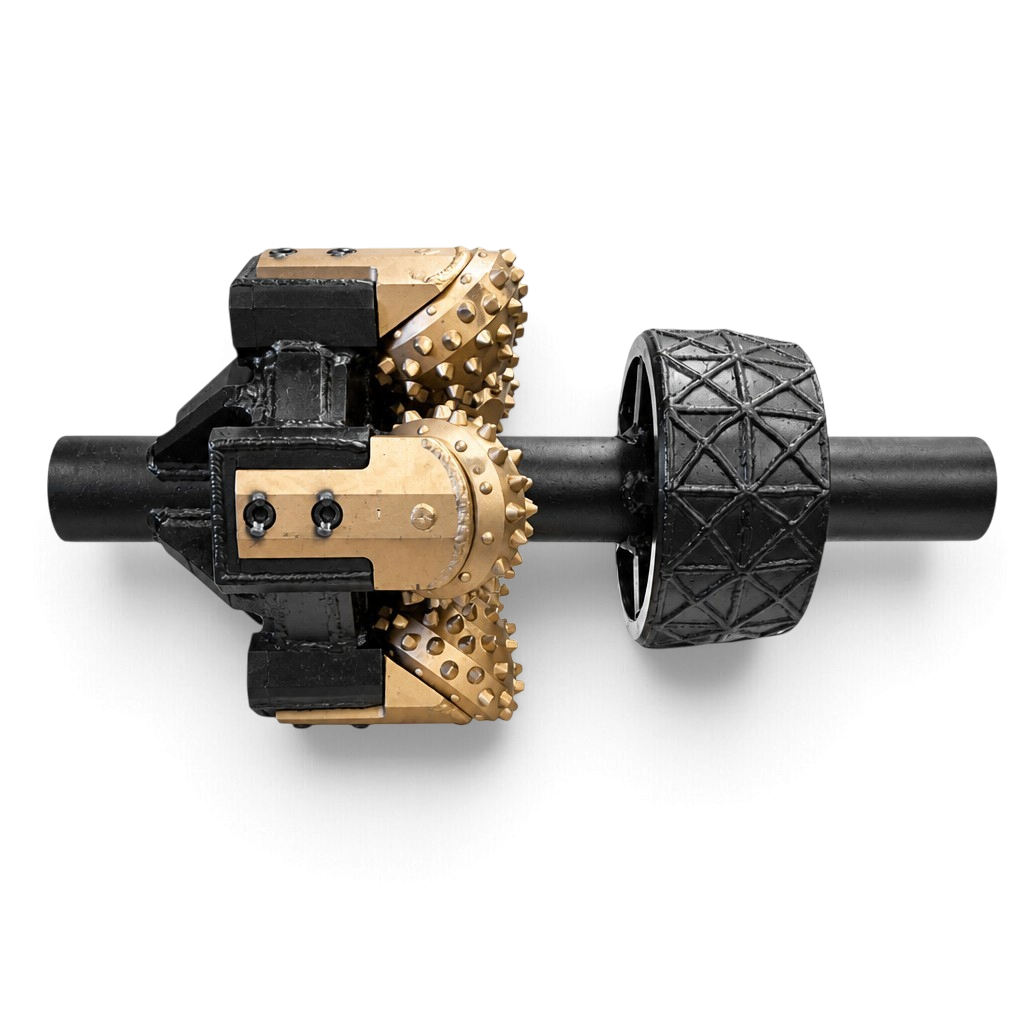
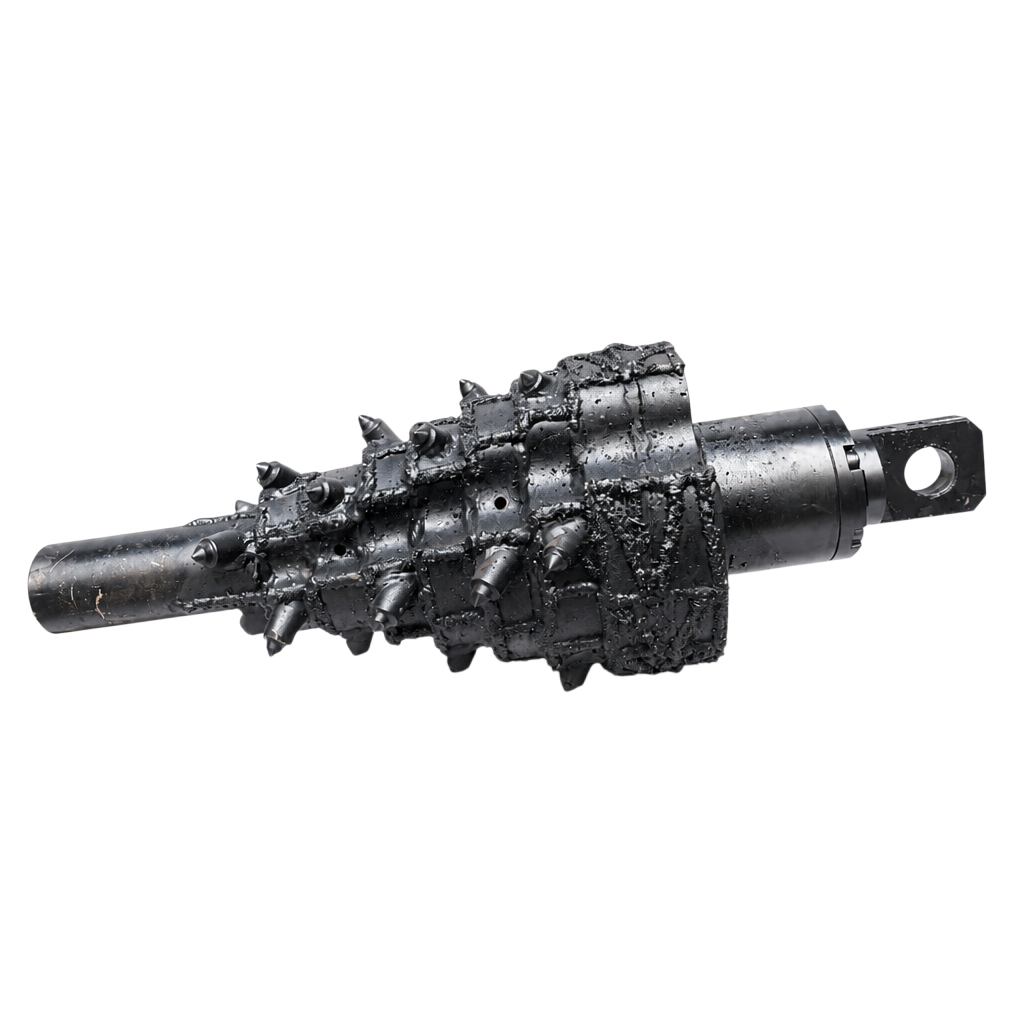
Rock reamers are designed for drilling through hard ground and rocky formations. Depending on their design and cutting elements, they can be used in applications involving solid rock and challenging geological conditions.
They can be suitable for:
Hard rock formations
Solid and fractured rock
Challenging ground conditions requiring rock-cutting tooling
Choosing the correct rock reamer depends on the type of rock, its hardness and the requirements of the drilling project.
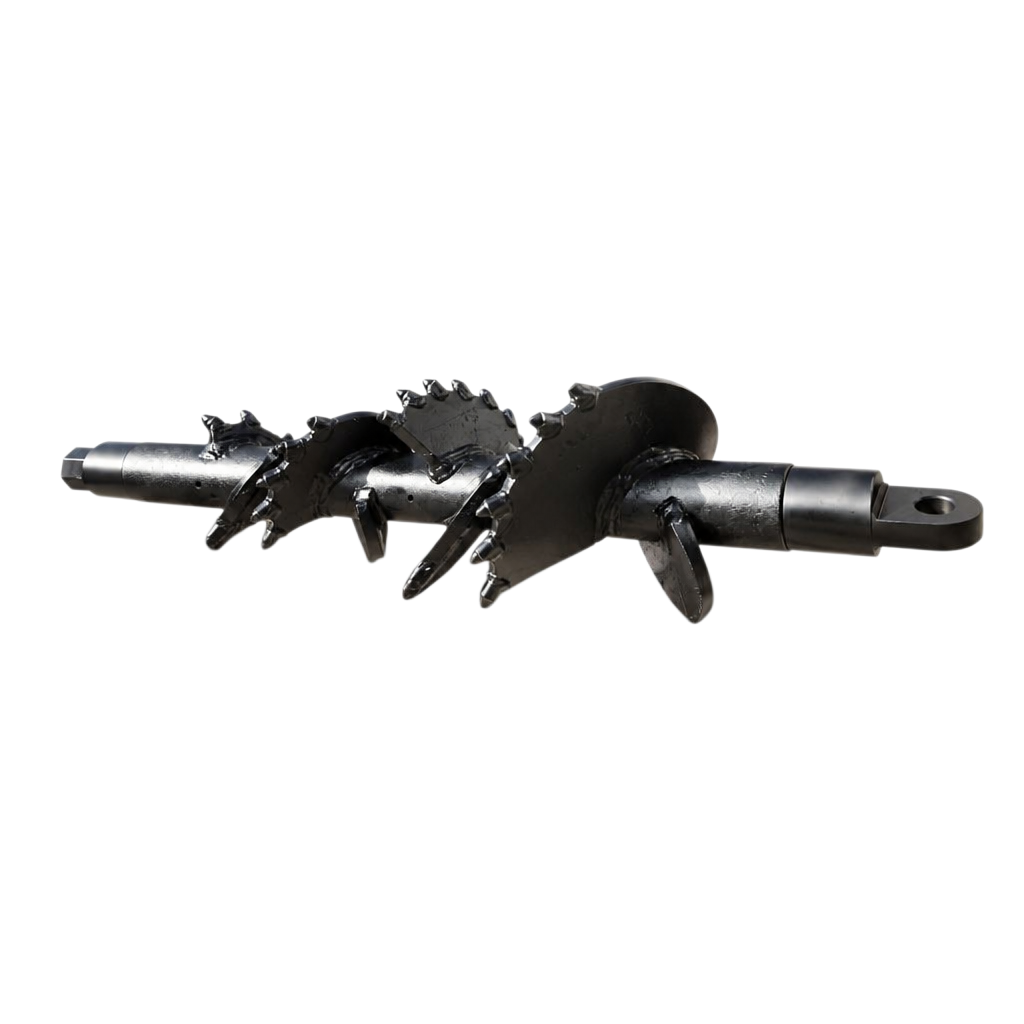
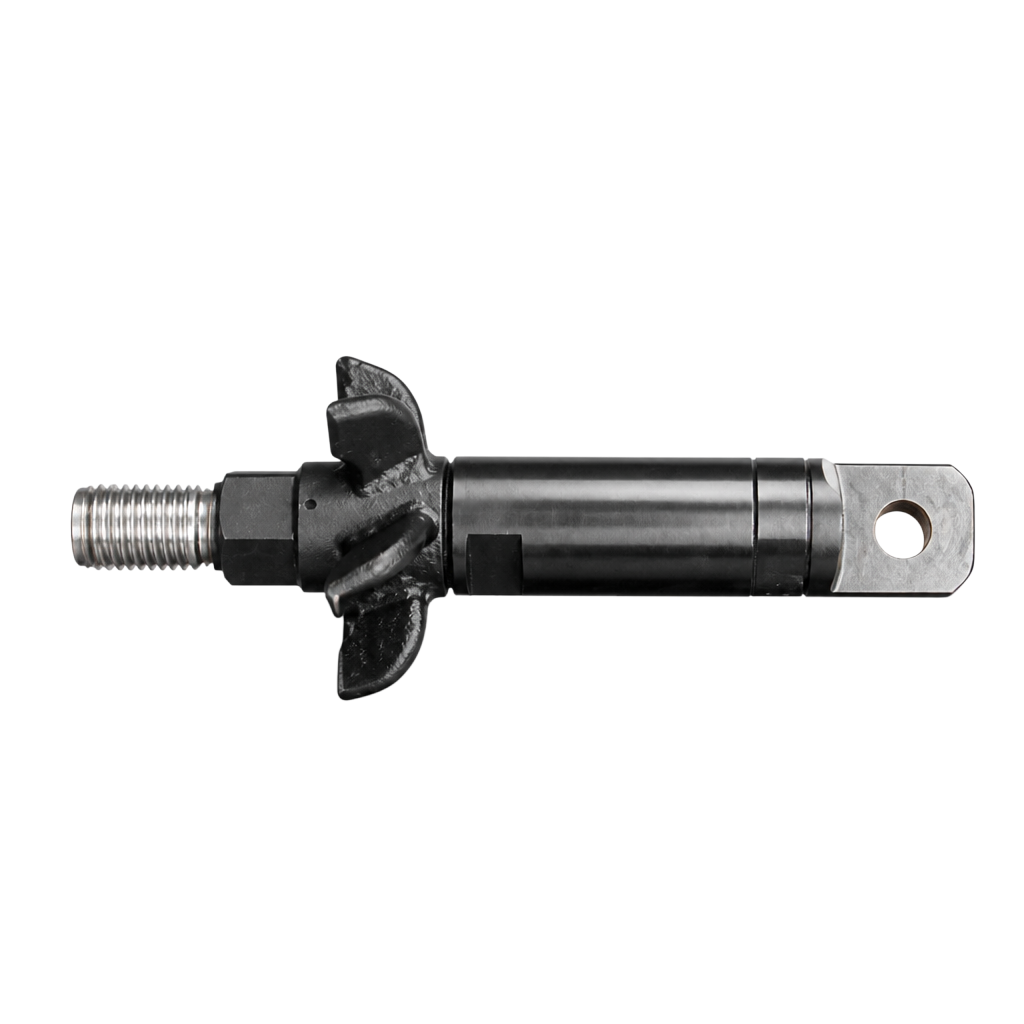
Fly cutters use rotating cutting blades to enlarge the bore during the reaming process. They are commonly used in softer ground conditions where an effective cutting action is required.
They can be suitable for:
Soft soils
Clay
Sand and other relatively loose materials
Fly cutters are often selected for applications where ground conditions allow the use of a blade-style cutting reamer.
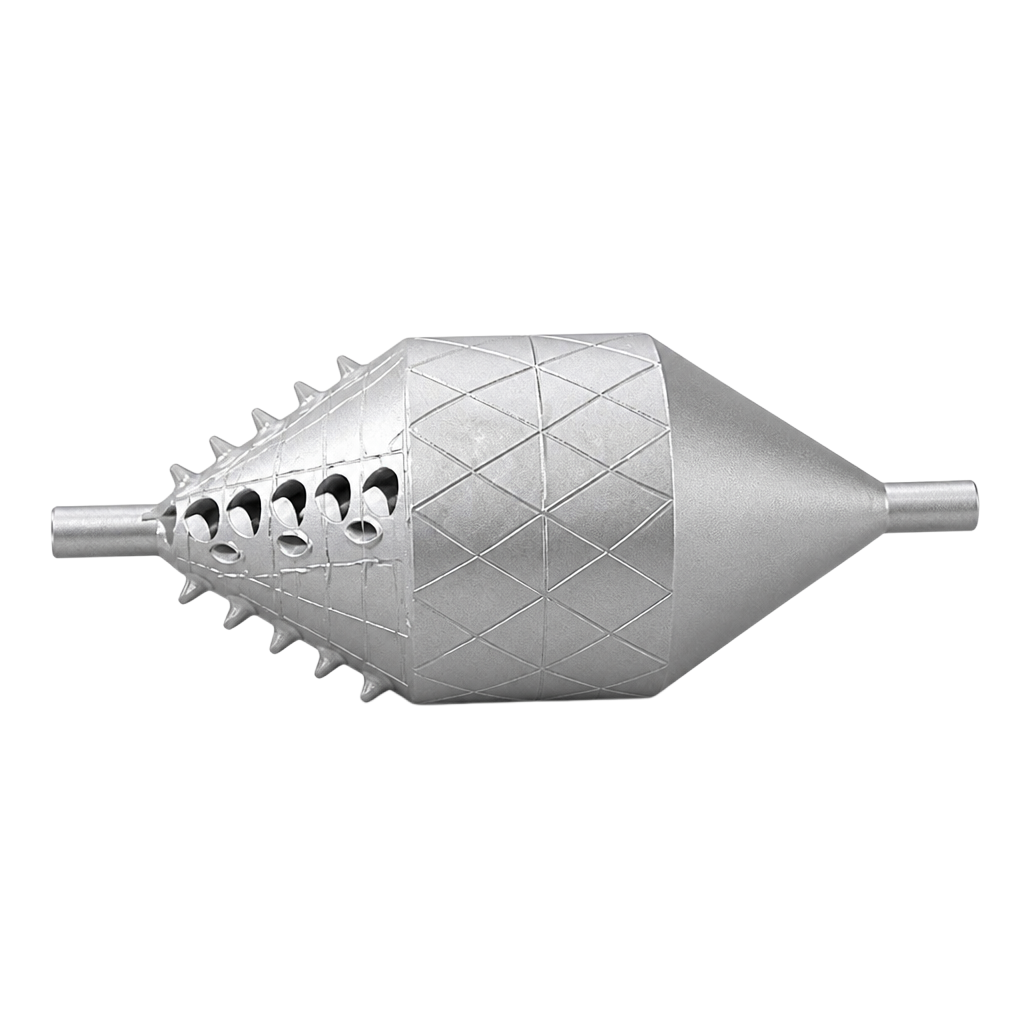
Compaction reamers are designed to displace and compact surrounding soil rather than remove large amounts of material. This makes them useful in suitable softer ground conditions where soil displacement is preferred.
They can be suitable for:
Soft and loose soils
Sand
Ground conditions suitable for displacement and compaction
Compaction reamers can help create a larger bore while reducing the amount of excavated material that needs to be removed.
Barrel reamers are commonly used to enlarge and condition the bore during HDD operations. Their design helps maintain a consistent bore as material passes through the reamer.
They can be suitable for:
Soft to medium ground conditions
Clay and sandy soils
General bore enlargement applications
The correct barrel reamer will depend on the ground conditions and the diameter of the bore required.
Easy reamers are designed for bore enlargement applications where efficient material removal and smooth reaming are important. Their suitability depends on the particular design and ground conditions.
They may be used in:
Suitable soft to medium soils
General bore enlargement
Applications requiring a straightforward reaming setup
Always consider the manufacturer’s specifications when selecting an easy reamer for a particular drilling application.
Ground type is one of the most important considerations, but there are other factors that can influence your reamer selection.
1. Ground conditions
Identify the material you’re drilling through before selecting your tooling. Consider whether you’re working in sand, clay, gravel, mixed ground or rock. Ground conditions can also change throughout a single bore.
2. Bore diameter
The required finished bore diameter will influence the size and number of reaming passes needed. Selecting the correct reamer size helps achieve the required bore dimensions.
3. Drill rig capacity
Your HDD rig needs to have sufficient torque and pulling capacity for the selected reamer and ground conditions. Always check that your tooling is compatible with your rig.
4. Drilling fluid
Drilling fluid plays an important role in HDD operations. It helps transport cuttings, cool tooling and support the bore. The drilling fluid mixture and flow requirements should be considered alongside your reamer selection.
5. Product pipe size
The final bore needs to accommodate the product pipe being installed. Consider the pipe diameter, ground conditions and installation requirements when planning your reaming sequence.
Using the correct HDD reamer for your ground conditions can make a significant difference to your drilling operation.
The right tooling can help:
Improve bore enlargement efficiency.
Reduce unnecessary wear on drilling equipment.
Achieve more consistent bore conditions.
Improve cuttings removal when used with an appropriate drilling fluid system.
Reduce the likelihood of delays caused by unsuitable tooling.
No single reamer is suitable for every ground condition. Taking the time to understand your drilling environment and equipment requirements can help you make a better tooling selection.
At No Dig Equipment, we supply a range of horizontal directional drilling tooling to suit different applications and ground conditions.
Our HDD reamer range includes ripper reamers, rock reamers, fly cutters, compaction reamers, barrel reamers and easy reamers.
Whether you’re drilling through softer soils or dealing with more challenging ground conditions, selecting the right tooling is essential to getting the job done.
An HDD reamer is used to enlarge an existing pilot bore during horizontal directional drilling. This creates enough space for the product pipe to be installed.
Rock reamers are specifically designed for hard ground and rocky formations. The best option will depend on the type of rock, its hardness and your drilling equipment.
Some reamers can handle a range of ground conditions, but not all tooling is suitable for every application. Selecting a reamer designed for your specific ground conditions can improve drilling efficiency.
Reamer size depends on the product pipe diameter, ground conditions, installation requirements and drilling method. The required finished bore diameter should be considered when planning your reaming sequence.
The number of reaming passes depends on the original pilot bore diameter, required finished bore size, ground conditions and drill rig capabilities. Larger bores may require multiple passes to achieve the desired diameter.
Not sure which reamer is best suited to your drilling conditions? The team at No Dig Equipment is happy to help.
We can help you understand the different reamer options, discuss your ground conditions and find tooling suited to your HDD rig and project requirements.