When installing underground pipes, cables and conduits, traditional trenching isn’t always the best option. Digging up roads, driveways and footpaths can be expensive, time-consuming and disruptive.
This is where pneumatic moles, also known as under road boring tools or pneumatic piercing tools, come in.
Grundomat is a well-known brand name in the pneumatic mole industry. These tools are commonly associated with trenchless underground installations, where services need to be installed beneath existing surfaces without digging an open trench.
But how do they work, what are they used for and what alternatives are available? In this guide, we’ll explain how pneumatic moles work and introduce the No Dig Mole range available from No Dig Equipment.

Grundomat is a registered brand of pneumatic soil displacement hammers manufactured by TRACTO. The name is also commonly used by contractors when searching for pneumatic moles and under road boring equipment.
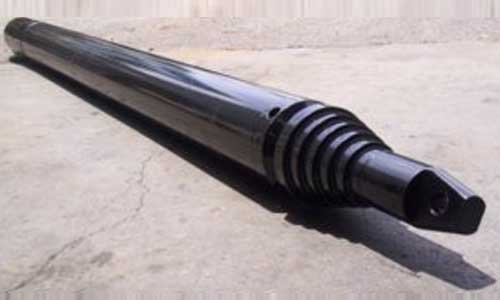
A pneumatic mole is a compressed-air-powered tool designed to create an underground bore by displacing and compacting the surrounding soil as it moves forward.
Rather than removing large amounts of soil like traditional excavation equipment, the mole creates a pathway through the ground for installing pipes, cables and conduits.
These tools are commonly used for:
Installing telecommunications and NBN conduits.
Underground electrical cable installations.
Water and gas service connections.
Irrigation pipe installations.
Boring beneath roads, driveways and footpaths.
At No Dig Equipment, we supply Australian-made No Dig Moles designed for these types of underground installation projects.
Pneumatic moles operate using compressed air supplied by an external air compressor. The compressed air powers an internal hammer mechanism that repeatedly drives the tool forward through the soil.
The general installation process involves several steps.
1. Preparing the ground
An entry pit and receiving area are prepared at either end of the proposed bore. The starting position and alignment need to be carefully planned before the tool is operated.
2. Connecting the air compressor
The pneumatic mole is connected to a suitable air compressor using an air hose. An in-line lubricator is also used to supply lubrication to the tool.
3. Positioning the mole
The tool is positioned in the starting pit and aligned with the intended underground pathway.
4. Creating the underground bore
Once activated, the internal hammer mechanism drives the mole forward. Its specially designed head displaces the surrounding soil, creating an underground passage.
5. Installing the pipe or conduit
Depending on the tool and installation method, the pipe or conduit can be attached and pulled through as the mole advances or installed through the completed bore.
The result is an underground installation with minimal disturbance to the surface above.
Pneumatic moles are used across a range of civil construction, telecommunications and utility installation projects.
Some of the most common applications include:
Under Road Boring
Install underground services beneath existing roads without excavating across the entire roadway. This can help reduce traffic disruption and expensive road reinstatement.
Driveway Crossings
Create underground pathways beneath concrete and paved driveways, avoiding the need to cut or remove existing surfaces.
NBN and Telecommunications
Install fibre optic cables and telecommunications conduits beneath roads, footpaths and residential properties.
Electrical Installations
Create pathways for underground electrical cables and conduits without extensive excavation.
Water and Irrigation Services
Install smaller underground water pipes and irrigation lines beneath existing infrastructure and landscaped areas.
Ground conditions play an important role in determining whether a pneumatic mole is suitable for a project.
These tools generally work best in ground that can be displaced and compacted, including:
Sand
Clay
Loam
Suitable compacted soils
Very hard rock, large obstructions and unsuitable ground conditions can affect the direction and performance of the tool.
Because pneumatic moles are generally non-steerable, correct alignment and an understanding of underground conditions are particularly important before starting a bore.
Always assess the ground conditions and check for existing underground services before commencing work.
Grundomat is an established brand of pneumatic soil displacement hammer, while No Dig Mole is the product range supplied by No Dig Equipment.
Both names are associated with pneumatic piercing equipment used for trenchless underground installations.
No Dig Equipment supplies its own Australian-made No Dig Moles, designed to provide contractors with a practical solution for installing underground services beneath roads, driveways and footpaths.
Our No Dig Moles feature a quarter-turn forward and reverse control, allowing operators to change direction by rotating the air supply hose.
With a range of sizes available, contractors can select equipment suited to different pipe diameters and installation requirements.
Selecting the right pneumatic mole depends on the size of the installation, ground conditions and the equipment available on site.
At No Dig Equipment, our No Dig Mole range includes several sizes:
At No Dig Equipment, our No Dig Mole range includes several sizes:
| Mole size | Typical application |
|---|---|
| 45mm | Smaller conduits and telecommunications |
| 54mm | NBN, electrical and general utility installations |
| 65mm | Larger underground service installations |
| 76mm | Larger conduits and utility crossings |
When choosing a mole, it’s also important to consider your air compressor requirements, bore length and the diameter of the pipe or conduit being installed.
Our team can help you determine which size and package best suits your requirements.
At No Dig Equipment, we supply Australian-made pneumatic No Dig Moles designed for under road boring and trenchless utility installation.
Our range includes different mole sizes and packages to suit contractors working across telecommunications, electrical, water, irrigation and civil construction projects.
Designed for tough Australian conditions, our No Dig Moles offer a practical alternative to traditional trenching when installing smaller underground services.
You can explore our available models, compare specifications and find the right equipment for your next project.
View our No Dig Mole range.
Grundomat is a specific brand of pneumatic soil displacement hammer. Pneumatic mole is the general term used for this type of underground boring equipment. Other manufacturers also produce pneumatic moles, including No Dig Equipment.
A pneumatic mole is used to install underground pipes, cables and conduits without digging a continuous trench. Common applications include road crossings, driveway installations, telecommunications and underground utility connections.
Yes. No Dig Moles operate using compressed air supplied by an external compressor. The required air supply will depend on the size and specifications of the tool.
Yes. Pneumatic moles are commonly used to create underground pathways beneath concrete driveways, roads and footpaths without having to excavate across the entire surface.
The correct size depends on the diameter of the conduit or pipe being installed, ground conditions and the requirements of the project. No Dig Equipment can help you select a suitable model.
Most conventional pneumatic piercing moles are non-steerable. This means the intended bore direction needs to be carefully planned and aligned before the tool is started.
Not sure which size or package is right for your next job? The team at No Dig Equipment is happy to help.
Whether you’re new to pneumatic boring or looking to add another mole to your equipment range, we can talk you through the different options and help you find a suitable solution.